
Aviation

India Set to Become Fastest Growing Major Aviation Market by 2026

India is poised to become the world’s fastest growing large aviation market by 2026, according to Airports Council International (ACI). While China leads in overall aviation market size, India’s growth is accelerating thanks to rising demand for air travel among its vast population, where per capita trips remain much lower compared to other major economies. This surge is driven by rapid infrastructure development, policy reforms, and the aspirations of an expanding middle class. Over the next three decades, India is projected to maintain its position as the third-largest aviation market globally but will lead the world in terms of growth rate. Key highlights include India’s air passenger traffic projected to grow 10.5% in 2026 versus China’s 8.9%, with compound annual growth rates (CAGR) of 9.5% (2023-2027) for India compared to 8.8% for China. Despite 2025 projections showing China with a 12% growth rate and India at 10.1%, India’s long-term outlook remains strongest, with a projected 5.5% CAGR through 2053, the highest among major aviation markets. Per capita air travel in India remains low (0.1 trips in 2023 vs 0.5 for China and 2.1 for the US), but is expected to reach 0.4 by 2043, reflecting enormous room for expansion. Supporting this trajectory are robust policy initiatives like UDAN and Gati Shakti, plus infrastructure expansion and a growing middle class. By 2053, India is forecast to remain the third-largest aviation market worldwide, with the fastest growth rate, joining other fast-growing markets such as Vietnam, Philippines, Saudi Arabia, and Thailand

Aviation

Govt plans to nearly double number of airports to 350 in India’s Aviation Vision 2047 -This expansion will create millions of jobs and boost regional connectivity through schemes like Udan

India’s Aviation Vision 2047 aims to nearly double the nation’s airports from 163 today to more than 350 by 2047, as part of a strategy that will expand domestic and global connectivity, generate millions of jobs, and position aviation as a key driver of the country’s economy. This ambitious growth is powered by initiatives like the UDAN scheme, which in nine years has dramatically improved regional connectivity with 3.23 lakh flights and 1.56 crore passengers linked to smaller airports and remote regions including the North-East, Andaman, Nicobar, and Lakshadweep Islands. Investments in aviation are shown to generate a strong ripple effect, producing triple the economic value and six times the number of jobs for every rupee invested.​ As passenger traffic is expected to surpass one billion annually by 2047 and the commercial fleet grows to over 2,300 aircraft, the sector is set to support 25 million jobs and reinforce India’s status as the third-largest domestic aviation market. The government is also leveraging bilateral air service agreements, technology transfer, and Make in India initiatives to deepen international connections and drive manufacturing, ground handling, and MRO services. These efforts have made air travel increasingly affordable and accessible, reshaping the travel landscape by directly connecting once-remote destinations and accelerating regional economic growth and tourism.

Aviation

How UDAN’s Nine-Year Journey is Powering India’s Aviation Vision 2047

India’s UDAN scheme, launched in 2016, has revolutionized domestic aviation by making air travel affordable and connecting remote towns and regions to the national network. Over nine years, it has enabled more than 1.56 crore passengers to fly on 3.23 lakh flights across 649 regional routes, introducing air service to 93 airports, 15 heliports, and 2 water aerodromes. Supported by ₹4,300 crore in Viability Gap Funding, UDAN ensures sustainability for airlines on less-trafficked routes while driving economic growth, regional tourism, and job creation. The government now plans to further expand, targeting 120 new destinations and aiming to serve 4 crore passengers in the coming decade. This transformative approach is matched by rapid infrastructure growth—India’s airports have more than doubled from 74 in 2014 to 163 in 2025, with projections of reaching 350–400 airports and handling over 1 billion passengers annually by 2047. Policy innovations such as Krishi UDAN, Lifeline UDAN, and Digi Yatra have built a more inclusive, efficient, and technology-driven aviation ecosystem, while key legislative reforms and incentives underpin indigenous manufacturing, drone operations, and expansion of flight training. Altogether, UDAN and its allied initiatives have firmly positioned aviation as an engine for economic inclusion, community development, and India’s rise as a global air travel leader.

Aviation

India’s air passenger growth may outpace China’s from 2026; likely to be fastest-growing major aviation market over next 3 decades 

While China’s size as an aviation market is notably bigger than India, the pace of the latter’s growth is expected to gather pace amid rapidly growing air travel demand from a massive population base whose per capita air travel is low, which in turn points to a significant growth potential. The growth rate of India’s air passenger traffic appears set to overtake that of China in 2026, and the former is likely to be the world’s fastest-growing large aviation market over the next three decades, per projections from global airports industry body Airports Council International (ACI). While China’s size as an aviation market is notably bigger than India, the pace of the latter’s growth is expected to gather pace amid rapidly growing air travel demand from a massive population base whose per capita air travel is low, which in turn points to a significant growth potential. China, on the other hand, is already at a level of relatively greater maturity as an aviation market, and the scope of speedy growth may be limited vis-à-vis India. Nevertheless, ACI’s long-term projections show that China is likely to overtake the US as the world’s largest aviation market by passenger numbers by 2053. India, despite the expected faster growth, is likely to maintain its position as the world’s third-largest aviation market over the next 30 years. The relatively high base of flyers in the US and China means that even with lower rates of growth than India’s, the aviation markets of these two giants will still be larger even 30 years down the line. According to ACI’s short-term projections till 2027, India’s air passenger growth in 2026 is seen at 10.5 per cent, higher than China’s 8.9 per cent for that year.

International

‘ATR’s destiny has been linked to India, a lot of new pages to write in that story’: MD, Asia Pacific

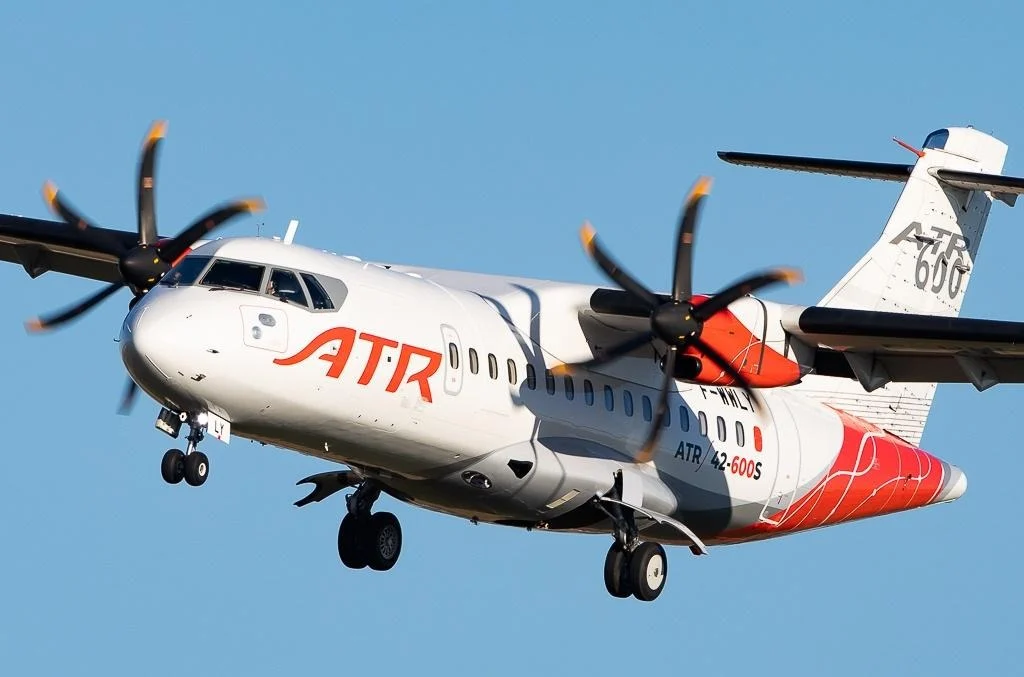
The company is “very bullish” on the Indian market and sees potential for as many as 300 turboprop aircraft in India over the next 10 years, says Jean-Pierre, describing the country as a critical market where “a lot of new pages” are yet to be written in the company’s growth story. ATR, a European turboprop aircraft manufacturer and a joint venture between Airbus and Leonardo, is very bullish on the Indian aviation market, which is the world’s third-largest and fastest-growing major market. Clercin sees potential for as many as 300 ATR turboprop aircraft to be sold in India over the next 10 years, driven by expanding regional connectivity and the government’s UDAN scheme, which fosters air links to smaller cities and underserved routes. He highlighted that India is currently ATR’s second-largest market globally, with around 70 aircraft already operated by Indian carriers such as IndiGo, Alliance Air, and FLY91. ATR’s turboprops are seen as well-suited for India’s short-haul routes due to their fuel efficiency, operational cost-effectiveness, and ability to operate from smaller, regional airports with shorter runways. While ATR currently operates manufacturing hubs in Europe, the company is considering expanding its footprint in India, leveraging the existing investments by its parent companies in the country’s aerospace supply chain. These strategic moves align closely with India’s “Make in India” initiative and growing demand for regional aviation.

Defence

Loitering munitions, counter-drone systems, VSHORADS: Defence ministry signs 13 contracts worth Rs 1,981 crore

The Indian Ministry of Defence has signed 13 contracts worth Rs 1,981.90 crore under the Emergency Procurement (EP) mechanism to enhance the Indian Army’s counter-terrorism operational capabilities. The contracts, finalized against an overall sanctioned outlay of Rs 2,000 crore, include cutting-edge systems such as Integrated Drone Detection and Interdiction Systems (IDDIS), Low Level Lightweight Radars (LLLR), Very Short Range Air Defence Systems (VSHORADs) with launchers and missiles, loitering munitions including Vertical Take-Off and Landing (VTOL) systems, bulletproof jackets, ballistic helmets, Quick Reaction Fighting Vehicles, and night sights for rifles. These procurements follow a fast-track process to ensure rapid induction of vital equipment and address urgent capability gaps for troops deployed in counter-terrorism environments. This emergency procurement effort reflects the Ministry’s commitment to equipping the Army with modern, mission-critical, and indigenous defense systems amid current security challenges. The decision comes in the aftermath of intensified counter-terrorism operations in regions such as Jammu and Kashmir and ongoing strategic concerns along the borders. The emergency powers given to the armed forces allow them to utilize up to 15% of their capital budgets for urgent purchases, enabling swift capability enhancement to maintain operational readiness. These acquisitions build upon previous phases of emergency procurements initiated since 2019 to strengthen India’s defense posture against multiple threats.

Defence

Race for AMCA production – Bangalore, Nashik, Hyderabad, Lucknow, Coimbatore

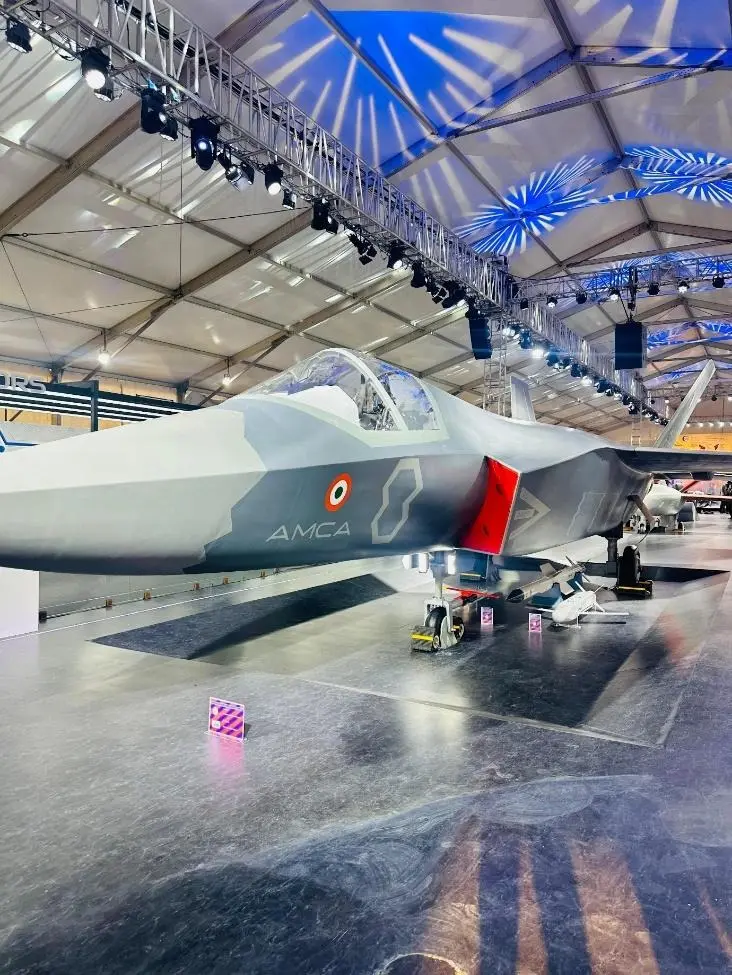
Several Indian states are locked in a fierce competition to host the production facilityfor the nation’s Advanced Medium Combat Aircraft (AMCA), a next-generation stealthfighter jet program that is the cornerstone of India’s efforts towards self-reliance indefense manufacturing. Karnataka’s Bangalore, Maharashtra’s Nashik, Tamil Nadu’sCoimbatore, Uttar Pradesh’s Lucknow, and Telangana’s Hyderabad are all leveragingunique advantages from established aerospace hubs and industrial corridors to skilled workforces and attractive incentives—to win the prestigious project. Nashik’s existing HAL facility stands out for its cost-effective upgrade potential and operationalreadiness, while Bangalore’s robust ecosystem and Hyderabad’s rapid growth inaerospace also makes them strong contenders. The winning state stands to gain far more than a manufacturing plant. Hosting theAMCA production line will bring thousands of high-skilled jobs, boost local economies, and anchor India’s pursuit of cutting-edge aviation technology for decades. As the Aeronautical Development Agency (ADA) and Hindustan Aeronautics Limited (HAL) move closer to a final decision, the outcome will not only shape India’s defense sector but also transform the economic fortunes of the chosen region.

MRO

Aging Commercial Fleets: Implications and Opportunities for Airlines, OEMs, and MRO Providers

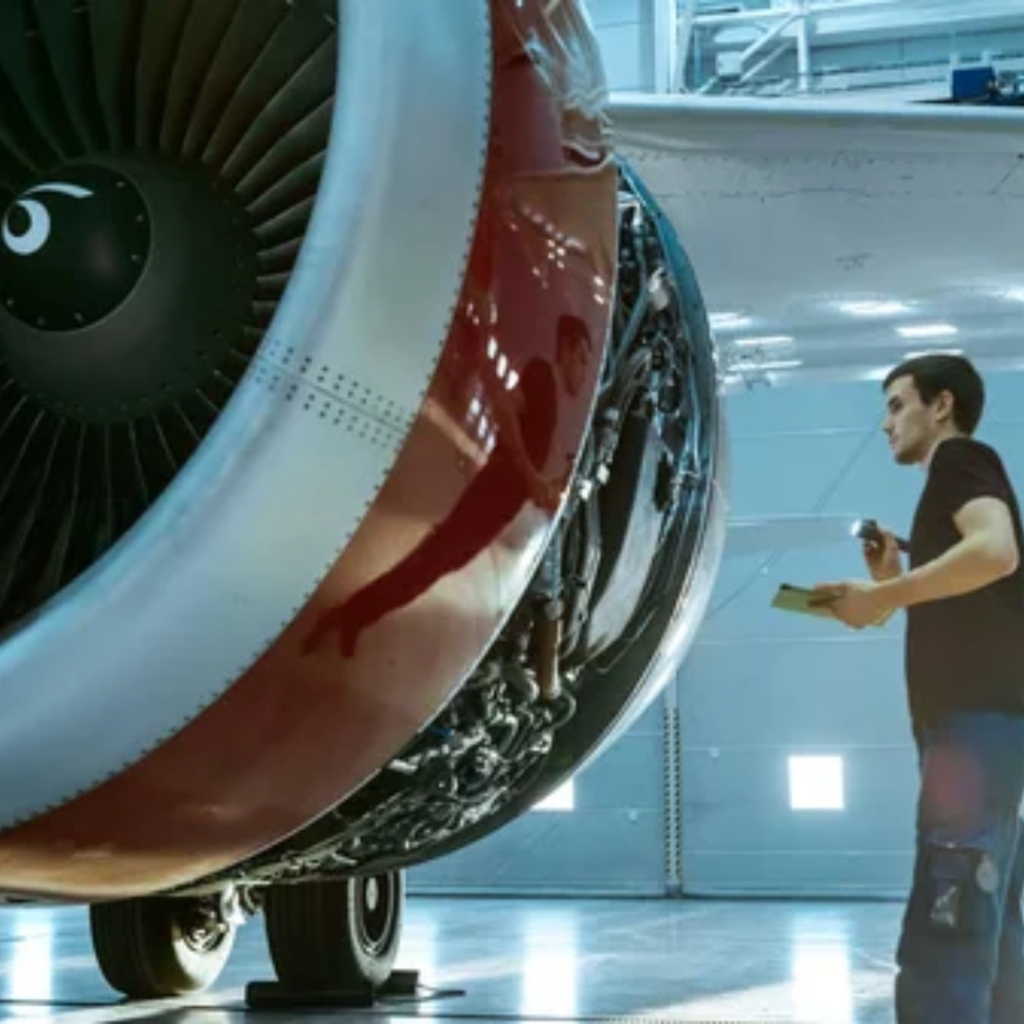
Commercial airplane fleets are aging at an unprecedented rate, creating challenges for operators ranging from escalating maintenance costs to obstacles in achieving sustainability targets. The average age of airline fleets is frequently used as an indicator of fuel efficiency and maintenance spending. Since 2000, the average fleet age has fluctuated in response to industry disruptions like 9/11 and the financial crisis, which forced airlines to defer new aircraft orders. By 2018, the average fleet age was already 1.3 years older than in 2000. Recent events, including the 737 MAX grounding, COVID-19, and ongoing supply chain delays, have only exacerbated this trend. From 2018 to 2023, the fleet aged an additional 1.5 years. Today, 83% of commercial aircraft are out-of-warranty—significantly increasing maintenance requirements for operators. AeroDynamic Advisory predicts this trend will continue, with aircraft delivery levels unlikely to return to 2018 rates until 2027 or later. By 2033, the average fleet age may rise by another 1-2 years unless a substantial increase in aircraft deliveries is achieved. This aging trend creates strong demand in the commercial aftermarket, providing growth opportunities for MRO providers and OEMs with aftermarket-centric operations. MRO providers, in particular, stand to benefit as older fleets require more intensive engine maintenance, additional heavy checks, and interior retrofits. The increase in nonroutine maintenance tasks is pushing airline maintenance expenses from around 10% historically to approximately 15% of operational costs, totaling $122 billion in 2023. Sustainability goals add another layer of urgency. The International Air Transport Association (IATA) targets net-zero emissions by 2050, with 13% of the pathway relying on new-technology aircraft. However, delayed deliveries of these platforms are jeopardizing progress, leaving airlines to rely increasingly on sustainable aviation fuel and market-based measures to bridge the gap. To adapt to this new reality, airlines will need to adopt best MRO practices from peers and seek cost-efficient solutions for older fleets. OEMs must balance their investments between new platforms and aging fleet support, while MRO providers should prepare to expand capacity and enhance services for a market that increasingly depends on maintaining older aircraft.

Defence

Indian Air Force to Partner with Indigenous Industry for MRO Services in a Move Towards Self-Reliance

In a groundbreaking initiative, the Indian Air Force (IAF) is set to collaborate with the indigenous industry to outsource select Maintenance, Repair, and Overhaul (MRO) facilities. For the first time, the IAF plans to incubate private sector players to manage back shops, while providing access to aircraft body paint shop infrastructure at one of its Base Repair Depots (BRD). This strategic move aims to reduce reliance on foreign Original Equipment Manufacturers (OEMs) and foster self-sufficiency within the country. This initiative aligns with India’s ambitions to strengthen its domestic aerospace and defense capabilities and tap into the lucrative global MRO market, which was valued at $49.1 billion in 2023 and is projected to reach $66.2 billion by 2030. The Indian MRO market, valued at $1.7 billion in 2021, is also expected to grow significantly, reaching $4 billion by 2031, as per a NITI Aayog report. In an exclusive interview, Air Marshal CR Mohan, who recently retired as Air Officer-in-Charge Maintenance of the IAF, emphasized the importance of balancing military autonomy with industry partnerships. “We are exploring partnerships with Indian industry in innovative ways,” he stated, clarifying that combat-sensitive tasks will remain under IAF control, while non-combat-sensitive work can be outsourced to private entities. The IAF has identified different levels of engagement for outsourcing MRO facilities, a move that marks closer collaboration between the armed forces and the private sector. Recognizing that the industry has been hesitant to independently take on military MRO work due to limited volumes and certification challenges, the IAF aims to fill this gap by leveraging its expertise and infrastructure to support the industry. With approximately 80 outsourcing cases under review, the IAF began the process in 2022, and various approvals are currently underway. One key initiative includes dual-purposing heavy aircraft maintenance facilities at Hindon Air Base in Ghaziabad. This facility could be used by private airlines for repainting services, reducing the need to send aircraft abroad for these services. “Eleven industries have already shown interest in this project, and we have received responses to our requests,” Mohan explained. “We’re now preparing to issue Requests for Proposals (RFPs), and within four to six months, we hope to finalize contracts.” Through these collaborations, the IAF aims not to generate revenue, but rather to secure cost advantages for indigenous partners. Currently, RFPs have been issued for maintenance and overhaul work on various aircraft, including Mi 17 helicopters, MiG29 fighter jets, and AN32 transport planes. The incubation program is well underway, with “9 BRD” in Pune already signing contracts with Indian companies for repair, refurbishment, and component replacement services. In the immediate term, the IAF is prepared to offer opportunities in the maintenance of ground equipment and supply chain management, paving the way for further industry involvement. This strategic shift by the IAF signals a bold new chapter in India’s aerospace self-reliance journey, opening doors for local industries to develop expertise in critical MRO services while enhancing the operational readiness and sustainability of the country’s defense assets.

International

Dubai Set to Launch First Aerial Taxi Vertiport Near Dubai International Airport, Ushering in a New Era of Urban Air Mobility

In a groundbreaking move, Dubai has taken a significant step towards becoming the first city in the world to offer urban aerial transportation with the approval of its inaugural aerial taxi vertiport. Situated near Dubai International Airport, this state-of-the-art facility will set new standards for efficiency, comfort, and convenience in urban travel by air, blending seamlessly with Dubai’s iconic skyline. Sheikh Hamdan bin Mohammed bin Rashid Al Maktoum, Crown Prince of Dubai and Chairman of The Executive Council, has officially authorized the construction of this ambitious project. According to a recent press release, the vertiport will cover a sprawling 3,100 square meters, providing dedicated zones for take-offs and landings, along with aircraft charging stations, a taxi apron, and ample parking areas. The new vertiport is expected to handle an impressive 42,000 landings and serve up to 170,000 passengers annually, highlighting Dubai’s commitment to pioneering futuristic transport solutions. This project aligns with the city’s vision of revolutionizing urban mobility, offering residents and visitors a new, elevated travel experience that reduces congestion on the ground and opens up the skies as a viable transport option. With this vertiport, Dubai sets a precedent for other global cities looking to incorporate aerial taxis into their urban infrastructure, solidifying its position as a leader in innovative transportation solutions.