Defence

Defence

Loitering munitions, counter-drone systems, VSHORADS: Defence ministry signs 13 contracts worth Rs 1,981 crore

The Indian Ministry of Defence has signed 13 contracts worth Rs 1,981.90 crore under the Emergency Procurement (EP) mechanism to enhance the Indian Army’s counter-terrorism operational capabilities. The contracts, finalized against an overall sanctioned outlay of Rs 2,000 crore, include cutting-edge systems such as Integrated Drone Detection and Interdiction Systems (IDDIS), Low Level Lightweight Radars (LLLR), Very Short Range Air Defence Systems (VSHORADs) with launchers and missiles, loitering munitions including Vertical Take-Off and Landing (VTOL) systems, bulletproof jackets, ballistic helmets, Quick Reaction Fighting Vehicles, and night sights for rifles. These procurements follow a fast-track process to ensure rapid induction of vital equipment and address urgent capability gaps for troops deployed in counter-terrorism environments. This emergency procurement effort reflects the Ministry’s commitment to equipping the Army with modern, mission-critical, and indigenous defense systems amid current security challenges. The decision comes in the aftermath of intensified counter-terrorism operations in regions such as Jammu and Kashmir and ongoing strategic concerns along the borders. The emergency powers given to the armed forces allow them to utilize up to 15% of their capital budgets for urgent purchases, enabling swift capability enhancement to maintain operational readiness. These acquisitions build upon previous phases of emergency procurements initiated since 2019 to strengthen India’s defense posture against multiple threats.

Defence

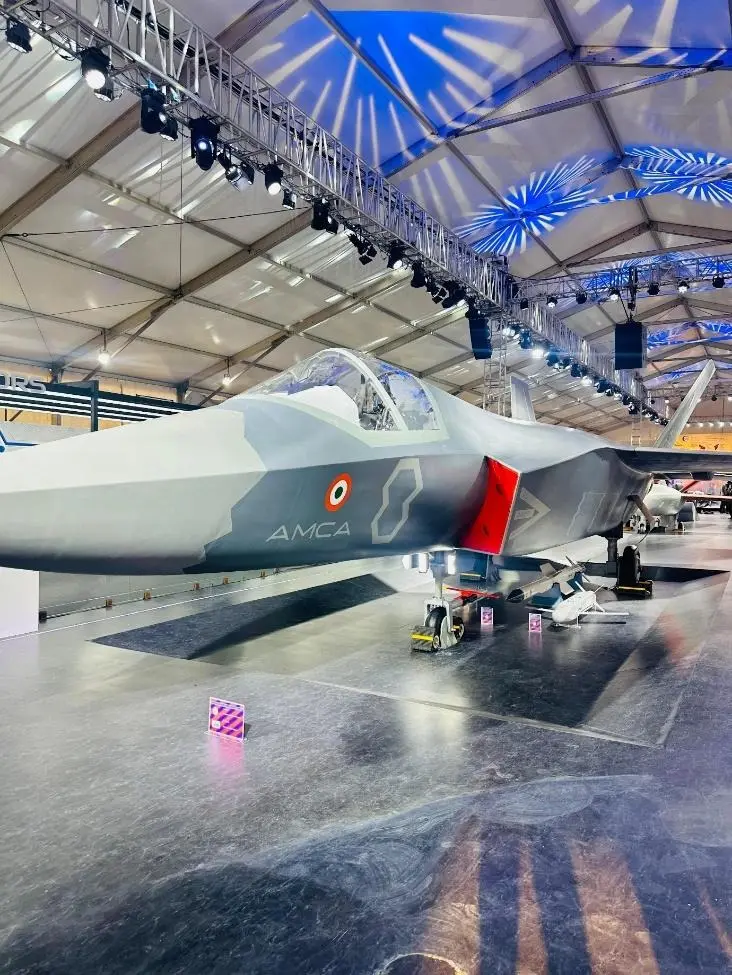
Race for AMCA production – Bangalore, Nashik, Hyderabad, Lucknow, Coimbatore

Several Indian states are locked in a fierce competition to host the production facilityfor the nation’s Advanced Medium Combat Aircraft (AMCA), a next-generation stealthfighter jet program that is the cornerstone of India’s efforts towards self-reliance indefense manufacturing. Karnataka’s Bangalore, Maharashtra’s Nashik, Tamil Nadu’sCoimbatore, Uttar Pradesh’s Lucknow, and Telangana’s Hyderabad are all leveragingunique advantages from established aerospace hubs and industrial corridors to skilled workforces and attractive incentives—to win the prestigious project. Nashik’s existing HAL facility stands out for its cost-effective upgrade potential and operationalreadiness, while Bangalore’s robust ecosystem and Hyderabad’s rapid growth inaerospace also makes them strong contenders. The winning state stands to gain far more than a manufacturing plant. Hosting theAMCA production line will bring thousands of high-skilled jobs, boost local economies, and anchor India’s pursuit of cutting-edge aviation technology for decades. As the Aeronautical Development Agency (ADA) and Hindustan Aeronautics Limited (HAL) move closer to a final decision, the outcome will not only shape India’s defense sector but also transform the economic fortunes of the chosen region.

Defence

Indian Air Force to Partner with Indigenous Industry for MRO Services in a Move Towards Self-Reliance

In a groundbreaking initiative, the Indian Air Force (IAF) is set to collaborate with the indigenous industry to outsource select Maintenance, Repair, and Overhaul (MRO) facilities. For the first time, the IAF plans to incubate private sector players to manage back shops, while providing access to aircraft body paint shop infrastructure at one of its Base Repair Depots (BRD). This strategic move aims to reduce reliance on foreign Original Equipment Manufacturers (OEMs) and foster self-sufficiency within the country. This initiative aligns with India’s ambitions to strengthen its domestic aerospace and defense capabilities and tap into the lucrative global MRO market, which was valued at $49.1 billion in 2023 and is projected to reach $66.2 billion by 2030. The Indian MRO market, valued at $1.7 billion in 2021, is also expected to grow significantly, reaching $4 billion by 2031, as per a NITI Aayog report. In an exclusive interview, Air Marshal CR Mohan, who recently retired as Air Officer-in-Charge Maintenance of the IAF, emphasized the importance of balancing military autonomy with industry partnerships. “We are exploring partnerships with Indian industry in innovative ways,” he stated, clarifying that combat-sensitive tasks will remain under IAF control, while non-combat-sensitive work can be outsourced to private entities. The IAF has identified different levels of engagement for outsourcing MRO facilities, a move that marks closer collaboration between the armed forces and the private sector. Recognizing that the industry has been hesitant to independently take on military MRO work due to limited volumes and certification challenges, the IAF aims to fill this gap by leveraging its expertise and infrastructure to support the industry. With approximately 80 outsourcing cases under review, the IAF began the process in 2022, and various approvals are currently underway. One key initiative includes dual-purposing heavy aircraft maintenance facilities at Hindon Air Base in Ghaziabad. This facility could be used by private airlines for repainting services, reducing the need to send aircraft abroad for these services. “Eleven industries have already shown interest in this project, and we have received responses to our requests,” Mohan explained. “We’re now preparing to issue Requests for Proposals (RFPs), and within four to six months, we hope to finalize contracts.” Through these collaborations, the IAF aims not to generate revenue, but rather to secure cost advantages for indigenous partners. Currently, RFPs have been issued for maintenance and overhaul work on various aircraft, including Mi 17 helicopters, MiG29 fighter jets, and AN32 transport planes. The incubation program is well underway, with “9 BRD” in Pune already signing contracts with Indian companies for repair, refurbishment, and component replacement services. In the immediate term, the IAF is prepared to offer opportunities in the maintenance of ground equipment and supply chain management, paving the way for further industry involvement. This strategic shift by the IAF signals a bold new chapter in India’s aerospace self-reliance journey, opening doors for local industries to develop expertise in critical MRO services while enhancing the operational readiness and sustainability of the country’s defense assets.